
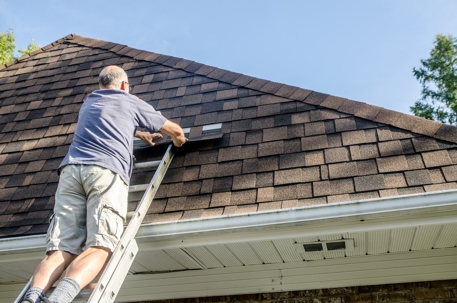
You might feel confident on a ladder, and grabbing a few supplies to tune up your roof can seem like an easy way to save money. A quick trip to the hardware store and an afternoon on the roof feels better than staring at a big potential replacement bill. For many Monroe homeowners, DIY roof maintenance feels like the responsible thing to do.
The problem is that some of the most common do-it-yourself roof fixes look helpful on day one but quietly damage shingles, flashing, and decking over the next few seasons. In Monroe heat, humidity, and heavy storms, small mistakes can snowball into leaks, rot, and even insurance or warranty headaches. Learning where DIY helps and where it hurts can protect both your roof and your budget.
At Horizon Roofing, we are a family-owned Monroe roofing company with more than 50 years of combined experience and over 10,000 completed projects across Georgia and South Carolina. We see the same DIY roof mistakes over and over during inspections, and we see how they play out years later. In this guide, we want to share what we have learned, so you can avoid the costliest errors and know when it is time to call in a professional.
Why DIY Roof Maintenance Feels Smart in Monroe
Most Monroe homeowners are not climbing on the roof for fun. You do it because a roof replacement is a major investment, and you want every year you can get out of your current shingles. Maybe you noticed a small stain on a bedroom ceiling, a few granules in the gutters, or a neighbor pressure washing their roof. It is natural to think, if you stay on top of this yourself, you can keep things under control.
Roofing guides online often make basic maintenance sound simple and low risk. Many are written for milder climates and newer homes, and they do not always take Monroe conditions into account. Summers are hot, the sun is intense, humidity stays high, and pop-up storms and heavy downpours are common. That mix is hard on shingles and on any repair that is not done correctly.
In this environment, a fix that might hold up for years somewhere else can fail quickly on a Monroe roof. Sealants dry out and crack, granule loss accelerates, and small openings let wind-driven rain travel farther than most people expect. Because we have been working on roofs in and around Monroe since 2008, we see these patterns repeat. Our goal is not to scare you away from all DIY, but to show you which tasks quietly shorten roof life instead of extending it.
DIY Mistake #1: Pressure Washing Shingles To Clean The Roof
Black streaks, algae, and moss can make a roof look older than it is. When you see a neighbor roof turn bright again after a pressure washing, it is tempting to rent a machine and blast away the stains on your own home. The immediate result looks great, and it feels like you just extended the life of the roof by making it like new again.
Asphalt shingles are not a solid block of material. Each shingle has a fiberglass or organic mat, coated in asphalt, then covered with protective granules. Those granules are not just there for color, they shield the asphalt from UV radiation and help the roof shed water. High-pressure water strips granules off the surface and can lift shingle edges, especially if the spray hits from below or across the shingle seams.
Once those granules are gone, the asphalt underneath bakes in the Georgia sun. In Monroe heat, this speeds up drying and cracking, so shingles become brittle, curl, and lose their seal to the course below. Water from frequent storms can now work into those gaps and reach the underlayment and decking. What started as a cosmetic cleaning ends up shaving years off your roof life and raising the odds of leaks.
As Master Shingle Applicators and Certified Master Elite contractors, we work with manufacturer guidelines that often warn against pressure washing asphalt shingles. There are safer ways to deal with staining, including low-pressure methods and manufacturer-approved treatments that protect granules instead of removing them. Before you decide to clean your roof yourself, it is wise to ask how the method will treat those granules that your shingles rely on for protection.
DIY Mistake #2: Smearing Caulk Or Roof Cement Over Every Gap
Another common DIY move is to buy a tube of caulk or a bucket of roof cement and start sealing anything that looks like a gap. Around the chimney, at the base of vent pipes, along walls, or in valleys, it can feel reassuring to see everything coated in a fresh layer of sealant. The roof might even stop leaking for a little while, which makes the fix feel successful.
Underneath those areas, though, your roof depends on metal flashing to move water. Step flashing, counter flashing, and pipe boots are all designed to overlap in a specific way so water runs off in a controlled path. When you replace that layered water-shedding system with a skin of caulk or cement, you are depending on that surface to stay perfectly bonded and flexible in Monroe heat, sun, and storms.
Generic caulks and cements do not hold up well in this environment. They can shrink, crack, or pull away from metal and masonry, especially around chimneys and walls that move slightly with temperature changes. Water then finds tiny gaps behind the sealant, gets trapped, and starts to rot wood and rust metal where you cannot see it. From the ground everything looks sealed, but inside the roof system the damage is getting worse.
DIY Mistake #3: Walking The Roof To Inspect Shingles
After a storm, it is natural to want a close look at your shingles. Many homeowners in Monroe set a ladder, climb up, and start walking around to check for damage. It feels proactive, especially if you are considering an insurance claim or planning ahead for repairs. Unfortunately, every step introduces risks for both you and your roof.
Shingles are designed to be walked on only when necessary, and even then with care. Each shingle has a seal strip that bonds it to the course below. When you walk across the roof, especially in warm weather when the asphalt is softer, your weight can break or weaken those seals. Once the strip is compromised, wind can lift the shingle edge more easily and let driven rain reach the underlayment and nail penetrations.
Foot traffic also grinds granules off the surface. On older roofs already showing wear, this speeds up aging in the exact paths you walk again and again, such as along ridges or below the ladder. If the decking underneath has any soft spots from past leaks or high attic humidity, you may not feel them until the wood gives way under your weight. Between the risk of a fall and the subtle damage to seals and granules, the cost of a quick look can be much higher than expected.
DIY Mistake #4: Nailing, Screwing, Or Reusing Loose Shingles
Few things nag at a homeowner like a loose or missing shingle you can clearly see from the yard. It is tempting to grab a handful of nails or screws, climb up, and reattach or reuse whatever pieces you find. From a distance, the roof looks fixed, and it feels like you just saved the cost of a service call for something simple.
Shingle systems are built around specific fastening patterns. Each shingle has a nail line where fasteners should go so they catch both the visible shingle and the course beneath. Nails driven too high, too low, overdriven, underdriven, or angled can all create problems. Fasteners placed in the exposed field of the shingle, or screws that puncture through the surface, become potential leak paths. Water follows the shank of the nail or screw and enters the decking.
Reusing a damaged or creased shingle does not restore its original strength. Once a shingle has been bent or torn, the mat inside can be weakened in ways you cannot see. Mixing different shingle products or attaching them over compromised underlayment or flashing adds more variables. The roof might shed water in a light rain, then fail under a heavy downpour or gusty storm.
DIY Mistake #5: Ignoring Ventilation & Attic Moisture
Not all roof problems start on top of the shingles. Some of the most expensive issues we see in Monroe begin in the attic, where heat and moisture build up under the roof deck. DIY projects that seem harmless, like adding more insulation, covering vents to stop drafts, or installing a powered attic fan without a plan, can disrupt the balance your roof depends on.
A healthy roof system has intake vents, usually in the soffits, and exhaust vents, often at the ridge or through roof vents. This setup lets cooler air enter low and warmer, moist air exit high. In Monroe's humid climate, this airflow helps remove moisture from everyday activities like cooking, showering, and even breathing, which otherwise can drift into the attic and condense on wood and nails.
When soffit vents are blocked with insulation or ridge vents are covered, hot, moist air gets trapped against the underside of the decking. Over time, this can lead to mold, mildew, and wood that warps or delaminates. Shingles on top of that overheated deck age faster, lose granules sooner, and can start to cup or curl. Homeowners often do not notice a problem until the roof looks wavy or the attic smells musty.
During maintenance visits, we routinely evaluate attic ventilation as part of the whole roof system. We look at how air flows from soffit to ridge, how insulation is installed, and whether any DIY changes have upset the balance. We use manufacturer guidelines and industry best practices to recommend adjustments. In many cases, correcting ventilation issues extends roof life and reduces the likelihood of hidden moisture damage that would be very costly to repair later.
Safe Roof Maintenance Tasks Homeowners Can Handle
Not every maintenance task requires a roofing crew. There are safe, effective ways to care for your roof and spot early warning signs without walking on the shingles or attempting repairs that could backfire. The key is to focus on what you can do from the ground or a secure ladder and to know when to stop and call someone with the right training and equipment.
Cleaning gutters regularly is one of the most valuable things you can do. From a sturdy ladder set properly, you can clear leaves and debris so water from heavy rains flows freely. This helps prevent water from backing up under the shingles at the eaves and reduces the chance of fascia and soffit rot. Using a gutter scoop or attachment on a blower or hose lets you reach without climbing onto the roof itself.
You can also use binoculars or a camera with zoom from the ground to look for missing shingles, lifted edges, exposed nail heads, or debris piled in valleys. Inside, you can check ceilings and walls for new stains, look in the attic from a floored area for signs of wet insulation, darkened wood, or visible daylight where it should not be. Paying attention to musty smells after rain is another simple but powerful clue.
At Horizon Roofing, we see our role as a partner, not a replacement for your own eyes and good judgment. We often walk homeowners through what they can safely monitor between professional inspections. When you see something concerning, or when it has been a few years since anyone has been on the roof, that is the time to bring in a trained crew. This balance lets you stay involved without putting your roof or your safety at risk.
When DIY Roof Work Risks Your Warranty, Insurance, & Safety
The cost of a DIY mistake is not just in shingles and wood. It can also show up later when you need to use your warranty or file an insurance claim after a storm. Many homeowners in Monroe do not realize how closely manufacturers and insurers look at the condition and history of a roof when deciding what is covered.
Manufacturer and installer warranties are typically written with clear expectations about how the roof is installed and maintained. They often require that repairs follow the original installation standards and use approved materials. When an inspector sees clear signs of unapproved modifications, such as mixed shingle types, non-standard flashing, excessive sealant, or improper fastening, that can raise questions about coverage, especially for wind or leak claims.
Insurance adjusters also look at whether damage comes from a covered event or from wear, neglect, or improper repairs. If there is obvious evidence that a leak has been fixed with methods that do not meet industry standards, an insurer may treat resulting damage differently than storm damage. None of this means you can never touch your own roof, but it does mean that higher-risk work carries more than one kind of risk.
Because Horizon Roofing holds Master Shingle Applicator and Certified Master Elite status and maintains a strong BBB rating, we are committed to doing work that aligns with manufacturer expectations and industry best practices. We also work directly with financial partners and insurers to make needed repairs or replacements more manageable, so budget pressure does not push you toward risky DIY. When you are facing recurring leaks, sagging areas, widespread granule loss, or any structural concern, that is the point where a professional assessment is the safest and most cost-effective step.
Protect Your Monroe Home By Knowing Your DIY Limits
Taking care of your home is something to be proud of, and there are plenty of ways to watch over your roof without putting it at risk. The most expensive problems we see in Monroe rarely come from doing nothing at all; they come from well-meant fixes that quietly weaken shingles, flashing, or decking until a storm finally exposes the damage. Knowing which tasks to leave on the ground and which to hand to a trained roofing crew can add years to your roof and spare you surprise bills.
If you are unsure whether a roof project is safe to tackle yourself, or if you are already seeing signs of trouble after past DIY work, we are ready to take a thorough, honest look. As a local, family-owned company with thousands of roofs behind us, we treat every inspection as a chance to protect your home safety, appearance, and value, not to push you into a replacement you do not need. Reach out to schedule an inspection or maintenance visit, and let us help you protect your roof the right way.