
You might assume that a “lifetime” roofing warranty in Monroe means your roof problems are covered for as long as you own the home. Many people feel a sense of relief once they see that word on a quote or brochure. The trouble is, the word “lifetime” often hides a lot of fine print about what is actually covered, who stands behind it, and what you have to do to keep that coverage in place.
For homeowners and property managers in Monroe, Georgia, the roof faces heat, humidity, heavy rain, and sudden storms. Those conditions can expose any weak point in a roof system, and that is usually when people pull out their warranty documents. Understanding what your roofing warranties in Monroe really cover, and what they do not, can be the difference between a covered repair and a surprise bill.
Our team at Horizon Roofing has completed more than 10,000 roofing projects from our home base in Monroe since 2008. With over 50 years of combined experience, and credentials such as Master Shingle Applicator and Certified Master Elite contractor status, we work with manufacturer warranties and our own workmanship warranties every day. In this guide, we want to share how those warranties actually work in our area, so you can make clear, confident decisions about your roof.
Why Roofing Warranties Matter So Much in Monroe
Monroe roofs deal with more than just the occasional rain shower. Long, hot summers push temperatures on the roof surface far higher than the air temperature. That heat, combined with strong UV exposure, gradually wears on shingles and other materials. Add in sudden thunderstorms, wind-driven rain, and the possibility of hail, and every weak spot in a roof eventually shows itself.
Over time, this kind of weather can lead to granule loss on shingles, cracked or pulled flashing around chimneys and walls, and sealants that dry out faster than expected. In a humid climate, moisture can also linger in the attic if ventilation is not designed correctly, which can accelerate aging from the underside of the roof. Many property owners first learn about these issues when a small stain appears on a ceiling after a heavy storm.
Roofing warranties matter in Monroe because they are one of the tools that can help manage the cost of roof problems that are not caused by a major storm. They work alongside your insurance policy and your choice of contractor. When a warranty is matched correctly to the roof system, installed to the manufacturer’s standards, and supported by regular maintenance, it can give you a safety net for specific types of failures. Without that alignment, a warranty can turn out to be little more than comforting language on paper.
Our history of projects across Georgia and into South Carolina gives us a clear picture of what really holds up in this climate. We see the difference between roofs installed with careful attention to manufacturer guidelines and roofs where shortcuts create problems years later. That perspective shapes how we design and install each system, and how we talk with clients about warranty options.
Material vs. Workmanship Warranties: What Each Really Covers
The first key to understanding roofing warranties in Monroe is knowing that there are usually two separate promises at work. One comes from the manufacturer of the shingles and other components. The other comes from the contractor who installs them. These promises overlap on your roof, but they cover very different things and are honored in different ways.
A manufacturer material warranty is focused on defects in the products themselves. For example, if a batch of shingles leaves the factory with a flaw that causes them to curl, crack, or lose granules far sooner than normal, the manufacturer’s warranty may come into play. These warranties are tied to the specific products used on your roof and to whether they were installed following the manufacturer’s written instructions. They usually do not cover problems caused by improper installation or by events such as severe weather, falling trees, or other outside forces.
A workmanship warranty, on the other hand, is the contractor’s commitment to stand behind the quality of the installation. If nails were placed incorrectly, if flashing was not installed properly, or if a detail was missed that causes a leak, this is usually a workmanship issue. Workmanship warranties vary widely in length and strength. Some contractors offer only a short term promise, while others stand behind their work for a much longer period. The value of that promise depends on both the written terms and the contractor’s record of actually responding when called.
To see how these two promises work together, imagine a Monroe home where a leak appears at the base of a chimney after a heavy rain. If the flashing around that chimney was not integrated correctly with the shingles, it is likely a workmanship problem. If instead the shingles across a wide area of the roof are losing granules in an unusual pattern, even though installation details look correct, that may be a material issue. Knowing which warranty applies in each situation helps you understand who to call first, what to expect, and how to document the problem.
Common Types of Roofing Warranties Available in Monroe
When you collect roofing quotes in Monroe, the warranty language can sound similar on the surface. In practice, the structures behind those words differ more than most people realize. Understanding the basic types of warranties helps you compare proposals on more than just price per square foot and avoid assuming that every offer includes the same protection.
Most asphalt shingle manufacturers offer a basic material warranty that covers their products against defects for a period measured in decades. During the earlier part of this period, coverage is often stronger. As time goes on, the coverage value usually decreases, a concept known as prorating. That means if a defect appears later in the warranty period, the compensation offered may only cover a fraction of the material cost, and may not include labor unless specific conditions are met.
Many manufacturers also offer enhanced or system warranties when an entire roof system is installed using their approved components by a certified contractor. These systems often include specific underlayment, starter strips, shingles, ridge caps, and ventilation products. When all pieces work together, some enhanced warranties may extend the length of strong coverage or add limited labor coverage if a covered defect appears during a defined time. Access to these options usually depends on the installer’s training and standing with the manufacturer, along with proper registration of the job.
On the contractor side, workmanship warranties may range from a few years to much longer. A short workmanship warranty might suggest a contractor is not fully prepared to support problems that arise after a few seasons of weather. A longer workmanship warranty from a contractor with a strong local track record can be more meaningful, because there is a higher chance that company will still be in business and willing to respond if something goes wrong. The combination of warranty term and the company’s reputation in Monroe should carry more weight than a simple number on a flyer.
Because Horizon Roofing holds both Master Shingle Applicator and Certified Master Elite status, we can offer higher tier manufacturer-backed warranty options that are not available from every Monroe roofer. We install full systems using materials from established manufacturers, and we explain the differences between basic and enhanced warranty packages in plain terms. Our goal is to match the warranty structure to your budget, your plans for the property, and the roof system that best fits your building.
What Roofing Warranties Usually Exclude in Monroe’s Climate
The other side of coverage is exclusion. Many warranty frustrations come from learning, often after a problem appears, that a particular issue sits outside the warranty’s scope. In Monroe’s climate, certain exclusions show up frequently in both material and workmanship warranties, and understanding them ahead of time helps you set accurate expectations.
Storm-related damage is the biggest surprise for many property owners. Hail impacts, wind that tears shingles away, or tree limbs that puncture the roof are usually not warranty issues. These are typically handled under your property insurance policy, because they are sudden events, not gradual failures of materials. Warranties generally focus on problems that trace back to defective products or installation quality, not to severe weather or accidents that occur years after installation.
Other common exclusions include damage caused by third parties working on the roof, such as installers of satellite dishes, new HVAC lines, or other equipment that requires new penetrations. If a new vent pipe is cut into the roof and flashed incorrectly, later leaks around that area are unlikely to be covered by the original roofing warranties. Unapproved repairs or modifications can create similar conflicts, especially if they replace manufacturer-specified components with generic parts or if workmanship does not meet industry standards.
Lack of proper attic ventilation is another major factor, especially in Monroe’s hot summers. When hot air cannot escape, temperatures in the attic can climb significantly higher than outside. That heat can cook the underside of the roof sheathing and shingles, causing them to age faster than expected. Many manufacturer warranties state that proper ventilation is a condition of coverage. If an inspection shows that vents were blocked, omitted, or altered in ways that trap heat and moisture, warranty coverage may be reduced or denied, even if the shingles themselves were otherwise installed correctly.
To reduce these risks, we design roof systems at Horizon Roofing with ventilation, flashing, and component choices that align with manufacturer recommendations. We do not skip underlayment, reduce the number of fasteners, or swap in low-quality parts just to shave costs. Following strict industry protocols on each job site not only helps the roof perform better in Monroe’s weather, it also supports your position if a warranty claim ever needs to be reviewed.
How Maintenance and Inspections Protect Your Warranty
A warranty is not a set-and-forget document. Most roofing warranties assume that the owner will take reasonable steps to care for the roof and address small issues before they turn into major problems. In practice, that means maintenance and inspections are both part of keeping your coverage in good standing and making sure you actually receive the benefits the warranty offers.
Simple tasks such as keeping gutters clear and ensuring downspouts are working prevent water from backing up under the lower edges of shingles. Removing branches and debris that collect in roof valleys keeps water flowing where it should during heavy Monroe rains. Watching for signs like missing shingles after a storm or dark streaks that might indicate algae growth allows you to catch potential trouble early. These are actions many Monroe homeowners and building managers can handle or at least recognize between professional visits.
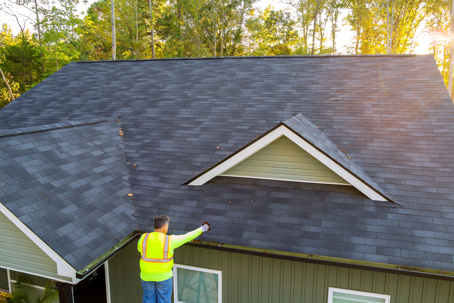
Professional inspections add another layer of protection. A trained eye can spot small cracks in flashing, lifted shingles that have not yet leaked, or sealant that has reached the end of its useful life. Inspections after significant storms, and at regular intervals, create a documented history of your roof’s condition. That documentation, especially when combined with photos and written notes, can help demonstrate that you took your maintenance responsibilities seriously if a warranty question arises later or if a manufacturer or contractor asks for proof of care.
At Horizon Roofing, we stay busy with ongoing maintenance work that helps roofs reach their full lifespan. Our inspections are detailed, and our communication is direct. We explain what we see in clear terms, outline which items are priorities, and handle repairs without leaving debris or nails behind. This process not only protects your building, it also helps you show that you have acted reasonably to preserve your roof and your warranty coverage.
Roofing Warranties, Insurance, and Storm Damage: How They Work Together
Another common point of confusion for Monroe property owners is the relationship between roofing warranties and insurance. These two forms of protection work side by side, but they serve different purposes and respond to different types of events. Understanding how they interact can keep you from feeling caught in the middle when damage occurs.
Think about a strong thunderstorm moving across Monroe, with high winds and hail. After the storm passes, you notice several shingles missing on one slope and small dents on metal vents. In many cases, this kind of sudden storm damage is a matter for your homeowner’s or commercial property insurance. An insurance adjuster evaluates how the storm affected the roof and what repairs or replacement may be covered under your policy, based on the terms you selected and the deductible you carry.
Warranties come into play when a problem arises without a clear storm event, or when an inspection reveals issues that look more like product or installation failures. For example, if shingles on one side of the roof are curling and losing granules much faster than expected, with no hail history or other storm indicators, the manufacturer’s material warranty might be reviewed. If water is entering around a vent where flashing was installed incorrectly years earlier, the contractor’s workmanship warranty may be relevant, if it is still in effect and the issue falls within the written terms.
These situations can overlap, which is where a clear process helps. At Horizon Roofing, we frequently help clients sort out whether a roof issue is likely to be a warranty question, an insurance claim, or a mix of both. Our role is to inspect the roof, document what we see, and explain in simple terms how the damage appears to have occurred. That information supports you in conversations with your insurance company and, when appropriate, with a manufacturer or warranty department.
Talk With a Monroe Roofing Team That Stands Behind Its Work
A roofing warranty is more than a line in a brochure. For property owners in Monroe, it is part of a larger plan that includes careful installation, the right materials, regular maintenance, and a contractor who will be there if questions arise years down the road. When those pieces work together, your roof is better prepared to handle our local weather, and you are better protected against unexpected costs.
If you would like a clear explanation of your current roofing warranty, or you are planning a new roof and want to understand your options before you sign, our team at Horizon Roofing is ready to help. We can inspect your roof, review warranty documents with you, and design a system that matches your goals for your home or business in Monroe.
Call (770) 746-7611 to schedule a roofing inspection or warranty review with our Monroe team.